A bathroom remodel is one of the most rewarding upgrades you can make. It also takes your bathroom out of service. That’s why the first question most New York homeowners ask is simple: how long will it take?
The honest answer is that it depends. A cosmetic update with a new vanity, toilet and lighting moves fast. A full gut renovation with new tile, a new shower and layout changes takes much longer. Permits, material deliveries and what’s hidden behind the walls all play a part. This guide breaks a bathroom remodel into its main stages and explains what can slow each one down. It also shares practical ways to keep the project moving. By the end, you’ll have a realistic picture of the timeline. You’ll also know how to plan around it. That matters even more if your home only has one bathroom. Let’s walk through each stage in the order it happens.
The Main Stages of a Bathroom Remodel
Every bathroom remodel follows a similar sequence. It starts with planning: measuring the space, choosing fixtures and tile and confirming the scope and budget.
Demolition comes next. Old tile, fixtures and drywall are removed, and the space is opened up. This is when hidden problems usually show up.
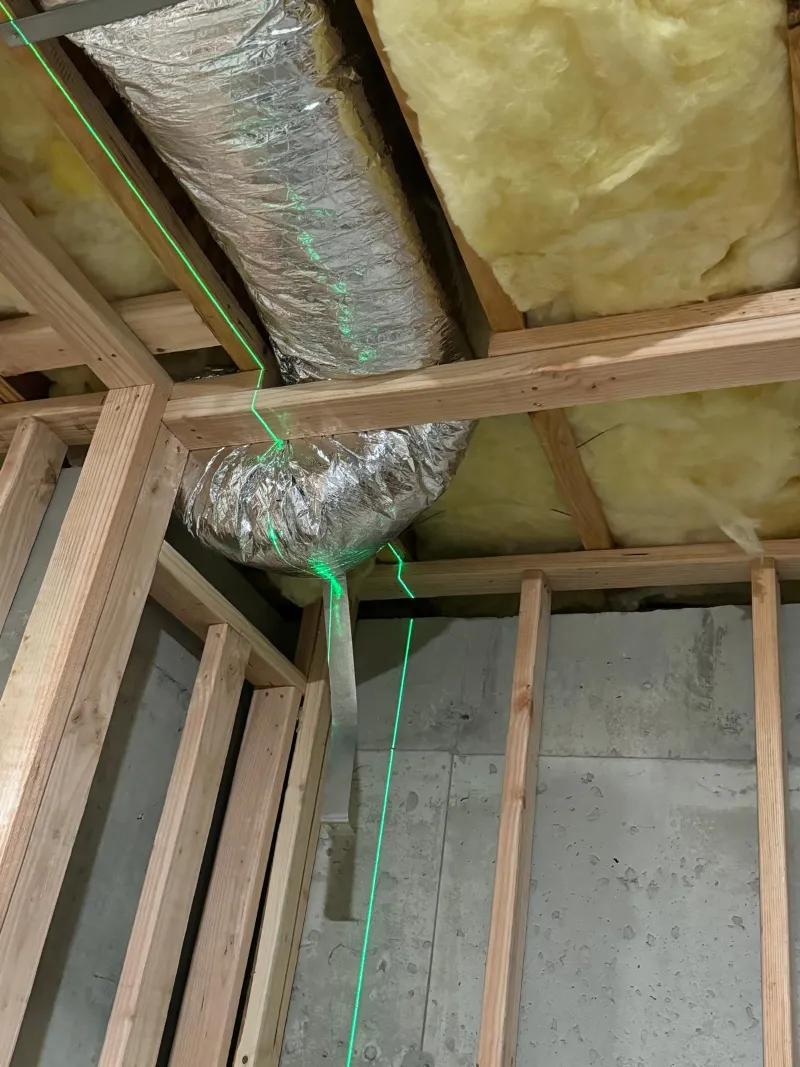
Then comes rough work. Framing changes, plumbing and electrical rough-ins and any repairs to the subfloor happen at this stage, often followed by inspections.
After that, walls are closed up, waterproofing goes in and tile is installed. Finish work comes last: the vanity, toilet, fixtures, lighting, trim and paint. A final walkthrough confirms everything works before the job is closed out.
What Can Slow Down a Bathroom Remodel
Material lead times are the most common delay. Custom vanities, special-order tile and certain fixtures can take weeks to arrive. Ordering them before demolition keeps the crew from waiting. Hidden damage is the second. Older New York homes often reveal rotted subfloors, old water damage or outdated pipes once the walls come down. Fixing those issues is necessary, but it adds time.
Permits and inspections also affect the schedule. Projects that move plumbing or add circuits typically need approval from the local building department. Inspections must happen before walls are closed.
Finally, changes in the middle of the project slow everything down. Switching tile or moving a fixture after work starts often means redoing finished steps.
How to Keep Your Bathroom Remodel on Schedule
Make decisions early. Choose tile, the vanity, fixtures and paint colors before demolition begins, and confirm everything is in stock or on order.
Build a small cushion into both the schedule and the budget. Older homes rarely open up without at least one surprise, and a cushion keeps that surprise from becoming a crisis. Keep communication simple. One point of contact who coordinates every trade makes a big difference. When the same company handles demolition, carpentry, drywall and finish work, there are fewer gaps between steps.
If your home has only one bathroom, talk about access before work begins. Sometimes the toilet can stay connected longer, or work can be sequenced to limit the days without a working bathroom.
Cosmetic Update vs Full Bathroom Remodel
A cosmetic update keeps the existing layout. New paint, a new vanity, a new toilet and updated lighting can transform the room without opening the walls. This is the fastest option and the least disruptive.
A full remodel replaces nearly everything. Tile comes down to the studs, the shower or tub is replaced, waterproofing is rebuilt and the layout may change. It takes longer, but it solves hidden problems and gives you a bathroom built to last.
The right choice depends on condition. If the tile is sound and there are no leaks, a cosmetic update may be enough. If you see cracked tile, soft floors or water stains, a full bathroom remodel is usually the smarter long-term investment.
Frequently Asked Questions
Can I use my bathroom during the remodel?
Usually not during demolition and rough work. Some projects keep the toilet connected as long as possible, and we’ll talk through access before work begins.
Does a bathroom remodel need a permit?
It depends on the scope and your municipality. Moving plumbing, adding circuits or changing walls usually needs a permit, while cosmetic updates often don’t.
What causes the biggest delays in a bathroom remodel?
Material lead times and hidden damage. Ordering everything early and building a small schedule cushion helps the most.
Is it faster to update just the vanity and fixtures?
Yes. A cosmetic update that keeps the layout is much quicker than a full gut renovation, and it’s far less disruptive.
Do you handle bathroom remodels in New York?
Yes. Fuentes Contracting Handyman LLC handles bathroom remodeling in New York homes, from vanity and fixture updates to complete renovations.